
Listening First: Public Engagement in Planning
Author: Angela Doherty
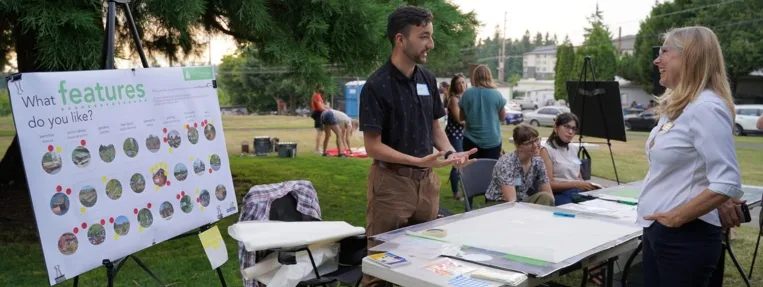
Community voices matter, and local governments, parks departments, and planning agencies rely on public input to help shape decisions. Because of this, residents may notice invitations to attend public meetings focused on planning initiatives, policies, goals, and upcoming projects alongside council members and planning professionals. These meetings provide a meaningful opportunity for community members to share feedback, raise concerns, and ask questions about the topics under consideration.
For planners, that lived experience is essential. As Alex Campbell, AICP, an AHBL project manager, explains, “If we’re working on a parks plan or a comprehensive plan, the people that live in the community know the community better than we ever will. They live there and they interact with it every day.”
Cities such as Tacoma, Edgewood, and Black Diamond utilize planning agencies and consultants like AHBL to support their staff with a wide range of planning needs, including public engagement and community outreach. Whether it’s developing community parks, shaping master planned communities, or preparing comprehensive plans, these efforts often include opportunities for the public to participate.
While public participation opportunities may look different from project to project, they all serve a shared purpose: ensuring community voices help shape the places where people live, work, and play. Public engagement is more than a procedural step, it’s a vital part of the planning process. As MillieAnne VanDevender, AICP, a senior planner at AHBL, notes, “When you have meaningful engagement, you can get better long-term results and better buy-in from neighbors. Once people understand what’s actually going on, not just rumors, you tend to see less resistance and a better end product.”
Public engagement also plays a critical role early in the planning process. It helps agencies educate and inform residents, gather meaningful feedback, spark new ideas, and strengthen equity by bringing a wider range of perspectives into the conversation. According to Alex, “Getting public engagement early in the process highlights issues we might not otherwise be aware of and helps us prioritize what truly matters to the community.”
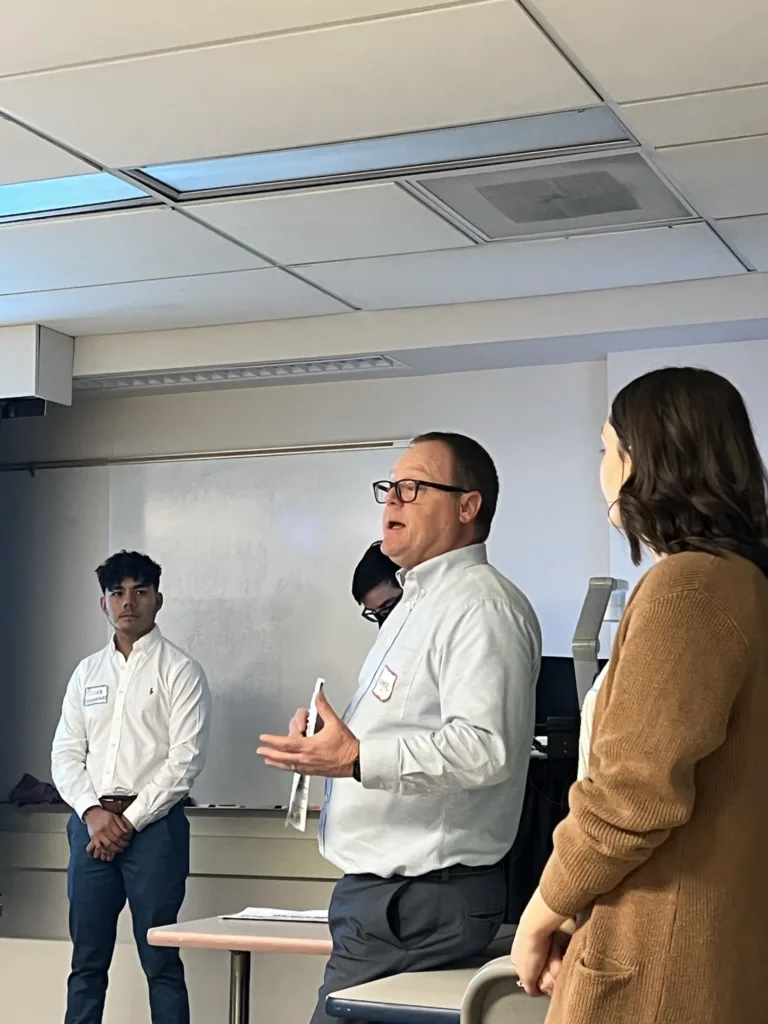
AHBL has helped bridge the gap between clients, agencies, and the public by planning and facilitating workshops, open houses, project kickoffs, and other engagement methods designed to build consensus and trust. For AHBL’s planning team, public engagement isn’t an afterthought, it’s intentionally built into every project. “Our job as consultants is to facilitate meaningful feedback,” says Alex. “That feedback not only leads to a better end result, but often creates efficiencies by identifying key issues early instead of late in the process.”
Most importantly, when planners take the time to listen, it builds trust, respect, and understanding between agencies and the communities they serve. MillieAnne emphasizes that trust is earned through consistency and care, saying, “Consistency is everything. You have to consistently put out quality work, be willing to go the extra mile, and avoid falling back on ‘that’s just the way it is.’ People want effort, transparency, and creative problem-solving, not bureaucracy.”
By taking the time to listen and engage with communities early and often, planners gain insight that can’t be captured through data alone. Public engagement helps clarify priorities, uncover local knowledge, and create space for collaboration, even when perspectives differ. When approached with transparency and care, the process becomes less about managing feedback and more about building shared understanding—setting projects up for long term success.
At its core, public engagement is about partnership. When agencies, consultants, and communities work together, the result is more than well informed plans; it’s places that reflect the people who use them every day. Through thoughtful outreach, clear communication, and a commitment to listening, AHBL’s planning team helps ensure community voices don’t just inform decisions but actively shape the future of the places we live, work, and play.
Our experts are ready to provide insights and develop tailored strategies. We’ll help you move your project forward with confidence.