Designing Accessible Landscapes: AHBL’s Commitment to Inclusive Outdoor Spaces
Author: Denise Storaasli
At AHBL, our landscape architects and designers are dedicated to creating accessible and low-barrier landscapes from concept through final design. The history of accessibility in public spaces is complex and continues to evolve, and we strive to ensure that all users, regardless of ability, can fully experience the outdoor environments we design.
The Americans with Disabilities Act (ADA) of 1990 was a landmark step in ensuring accessibility, yet its implementation in public parks has faced challenges, including funding limitations and inconsistencies across jurisdictions. Research has shown that individuals with mobility challenges often encounter barriers to enjoying public spaces, from inaccessible trails and restrooms to playgrounds and other amenities. In response, a government mandate required state and local governments to make programs, services, and activities accessible, encompassing everything from restrooms to public information.
While significant progress has been made, accessibility efforts continue to expand beyond mobility needs to include considerations for sensory sensitivities and cognitive impairments. Thoughtful implementation of these elements remains essential to creating truly inclusive spaces.
AHBL’s park and trail planning efforts prioritize accessibility for all, ensuring our outdoor spaces reflect the same level of innovation as the architectural designs they complement. A few examples of our work include:
- Campus Park, Kent, WA – This nearly 17-acre park in Kent’s East Hill South region provides vital connections between Kent Meridian High School and surrounding areas. The new design will integrate ADA-compliant pathways, ensuring access from parking areas to the play space and other park amenities. The park design will also include other features, such as strategic location of accessible parking and benches.
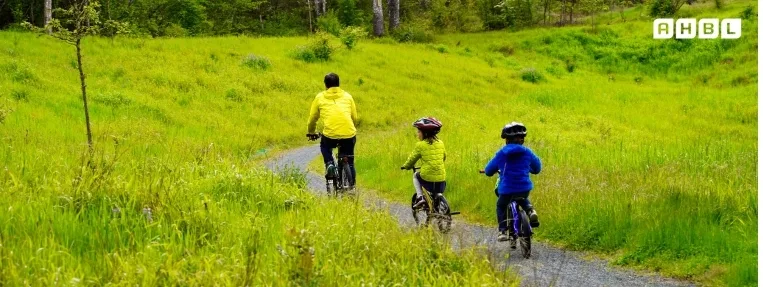
- Oak Tree Park, Tacoma, WA – AHBL provided landscape architecture, civil engineering, and land surveying services for part of this 25-acre park, which preserves historic Garry Oak habitat. The project focused on simplifying the trail system while incorporating accessible routes designed to meet the United States Access Board’s Accessibility Standards for Federal Outdoor Developed Areas, ensuring all visitors can navigate the park’s terrain. These improvements also accommodate bikers, scooters and strollers.
Beyond our specific projects, Washington State Parks has demonstrated a strong commitment to ADA-accessible recreation, maintaining an ADA Coordinator, disability pass programs, and infrastructure improvements to enhance accessibility across trails, campgrounds, and public spaces.
As we continue our mission to build lasting, meaningful spaces, we partner with school districts, park agencies, and local municipalities to design environments that go beyond minimum ADA standards. By integrating thoughtful accessibility measures, we create parks and trails that invite everyone to explore, connect, and enjoy the outdoors.
###
Sources
Barrier-Free Trails — Washington Trails Association
https://www.aaastateofplay.com/media/wysiwyg/best-states-for-disabilities-6.png